


The most economical tower to build is the one engineered to be built — not just to stand.”Prof. Dr Qaisar Ali · Founder & Technical Principal
Built for less — without taking safety out.
Every stage of the scan is a place we take cost out, not safety. Here is where the savings come from.
Indicative figures — representative of our optimisation across projects; confirmed per project at design stage.
| Stage | Typical practice | Strata |
|---|---|---|
| Foundation | Heavy, conservative raft | Micro-piled, anchored, sinkless |
| Transfer | Ad-hoc, late coordination | Designed + staged-construction checked |
| Sections | Many unique one-offs | A few repeating families |
| The bridge | Brute-forced steel | Performance-based, tuned lateral system |
| Coordination | 2D drawings, clashes on site | Clash-free Revit BIM model |
| Review | Checked in the same office | Independent Category III, stamped |
The structure above isn't a metaphor.
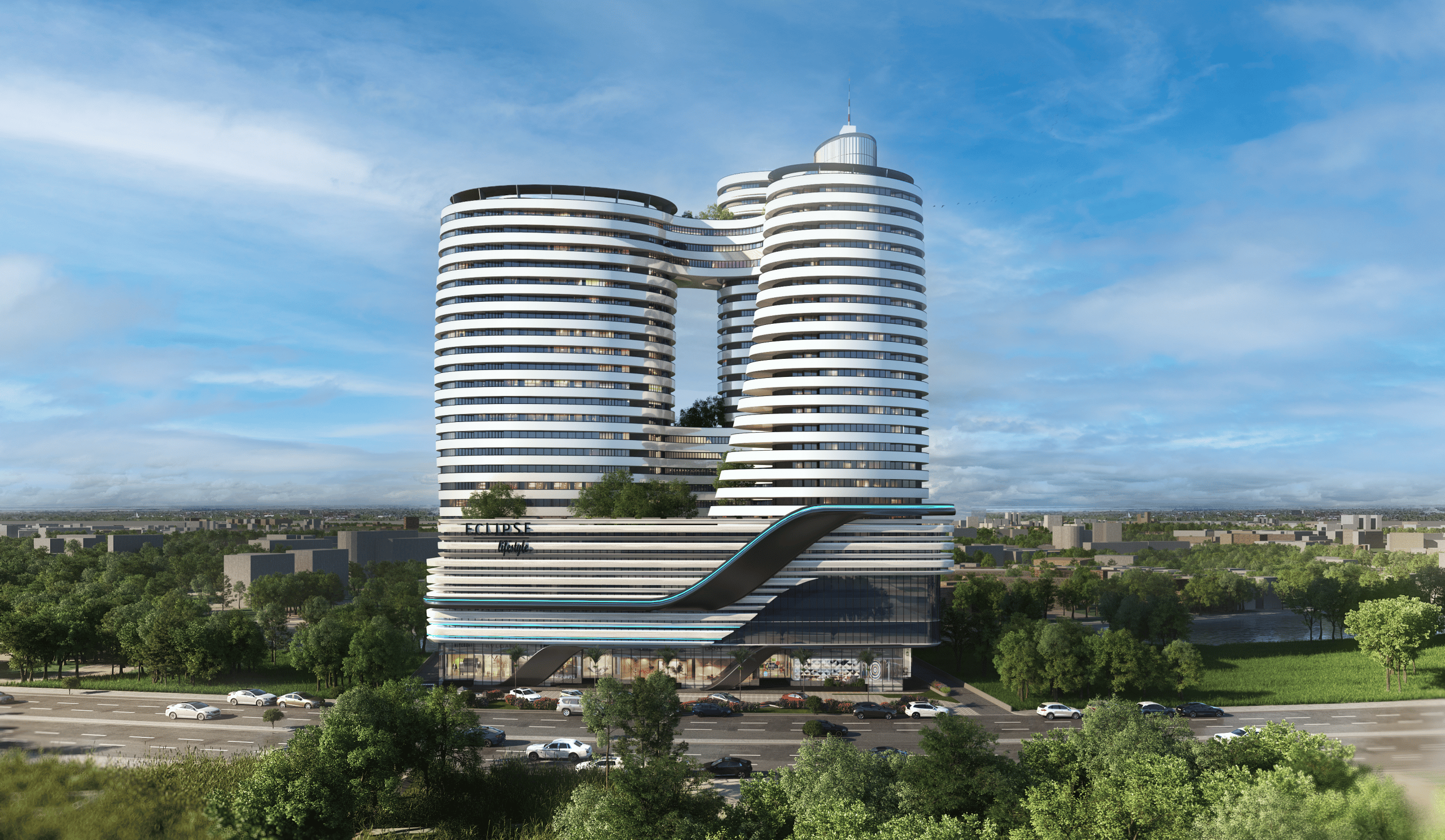
Twin towers, a retail podium, an occupied sky-bridge — it's the anatomy of Eclipse Resort Living & Mall, one of a thousand-plus structures our team has designed, independently reviewed, retrofitted and supervised over three decades.
Four ways to engage Strata.
Judgement you can put your name next to.
A structural and earthquake engineer with more than thirty years of practice, research and teaching — performance-based seismic design, retrofit and forensic investigation across EN 1998, ASCE 7 and ASCE 41.
Leads Strata's strategy, client relationships and design-build delivery, pairing senior engineering judgement with a disciplined, internationally-benchmarked delivery model.